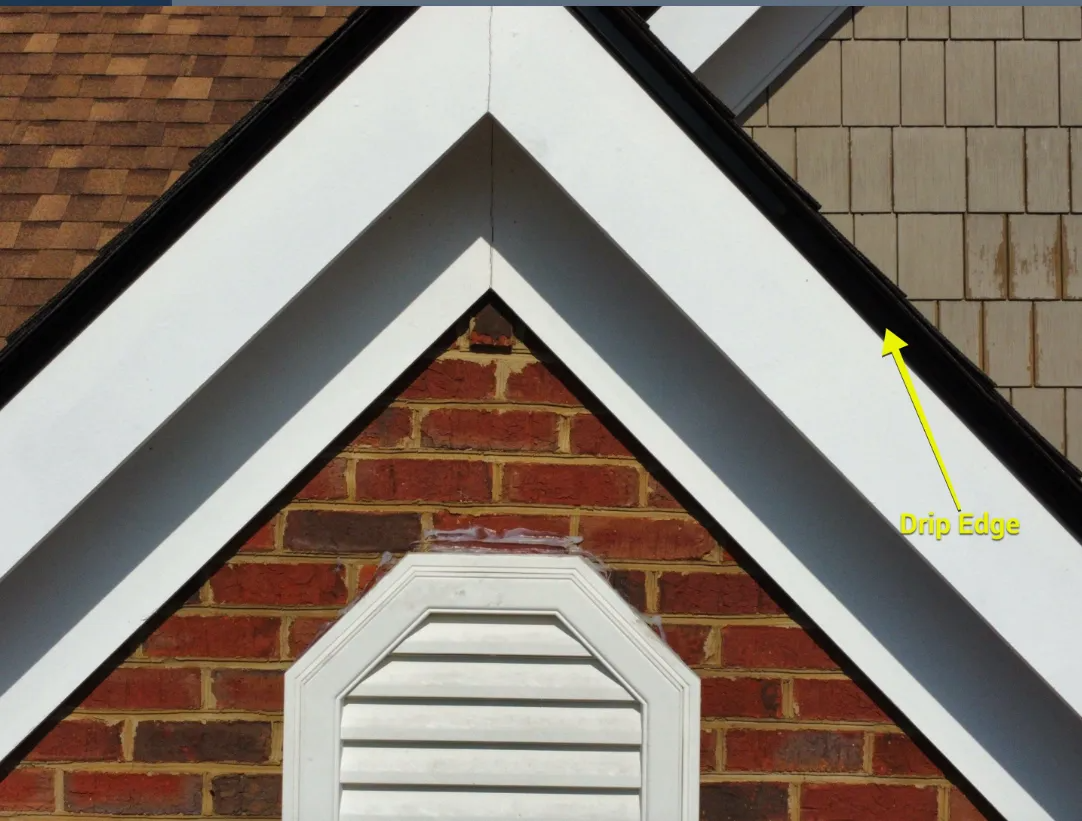
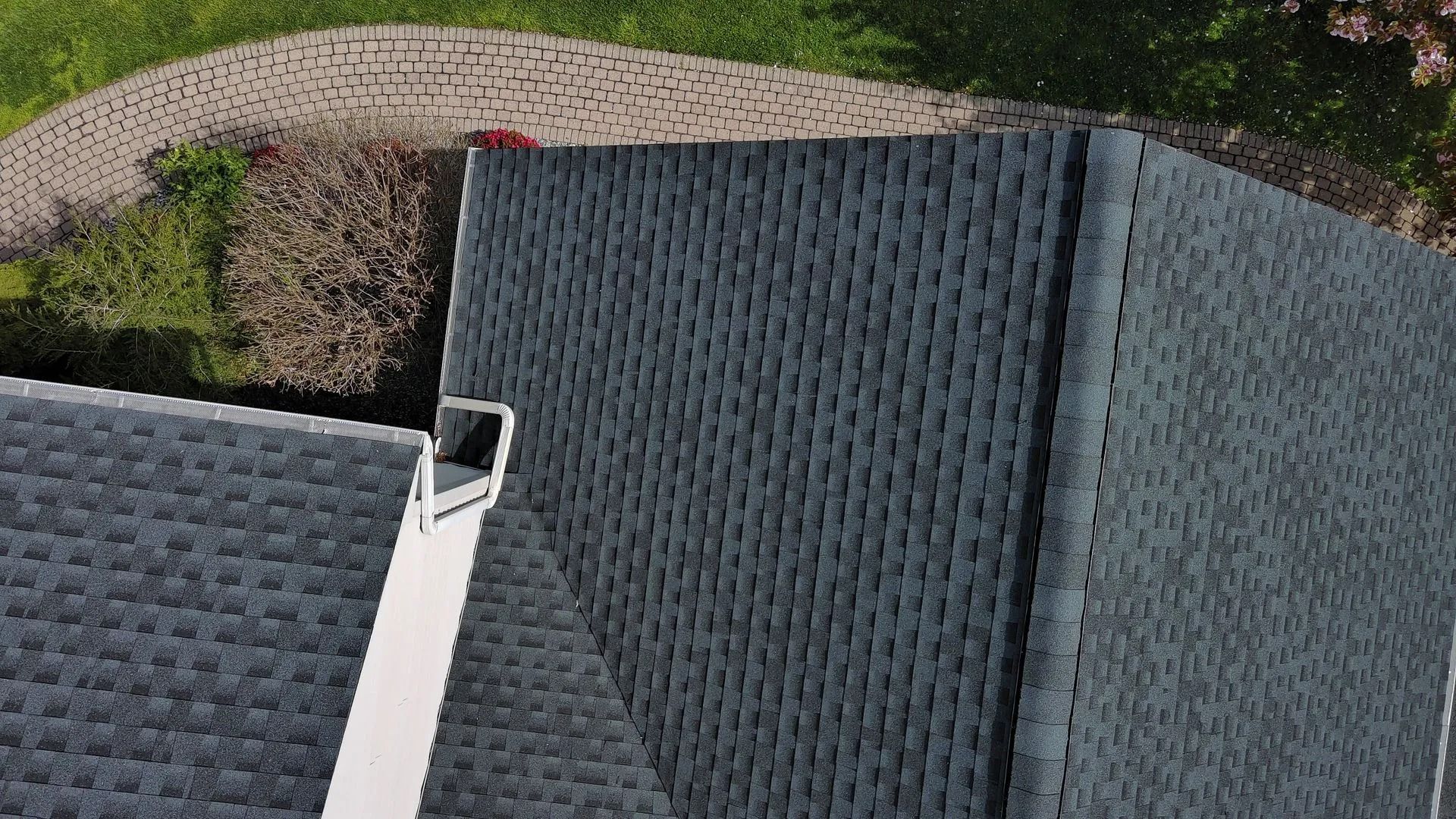
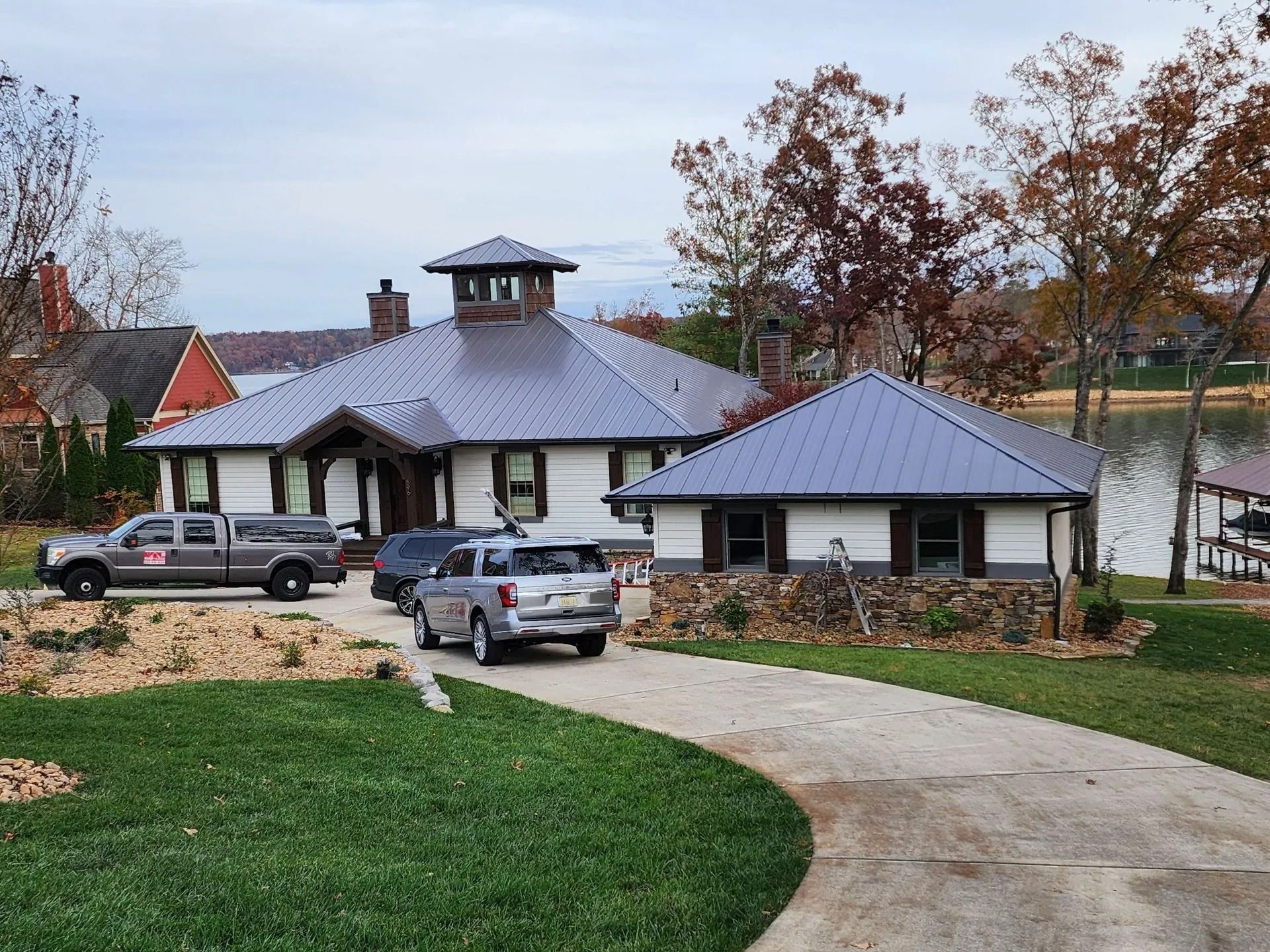
At first glance, the photos can be surprising — metal roof panels that look like they’re ready to slide right off the roof. While it may seem extreme, loose or backing-out screws are actually one of the most common issues we see on metal roofing systems, especially those installed using flat washer fasteners.
What looks dramatic in photos often starts quietly, with just a few fasteners losing their hold.
Why Screws Loosen Over Time on Metal Roofs
Metal roofing systems are constantly moving. During the heat of summer, metal panels expand. In colder months, they contract. The wood decking beneath the panels reacts differently, expanding and shrinking at its own rate based on temperature and moisture.
Over time, this constant movement puts stress on the fasteners. As screws shift back and forth, they can begin to “wallow out” the holes in both the metal panel and the decking below. Once the hole enlarges, the screw loses its grip and slowly begins backing out.
This process doesn’t happen overnight — but once it starts, it tends to spread.
How Decking Type Makes a Difference
The type of roof decking plays a bigger role than many homeowners realize. From the 1970s through the 1980s, many homes transitioned from solid 1x or 2x lumber decking to plywood or OSB.
While plywood and OSB are widely used, they don’t provide the same long-term holding strength for fasteners as solid wood. Over time, this can make it easier for screws to loosen, especially on metal roofs where expansion and contraction are constant.
Why Loose Screws Shouldn’t Be Ignored
Loose fasteners aren’t just a cosmetic issue. As screws back out, they create pathways for water to enter the roof system. This can lead to leaks, rust forming around fastener holes, panel movement during high winds, and in some cases, premature roof failure.
The earlier loose screws are identified, the easier it is to stabilize the roof and prevent larger problems from developing.
If your metal roof looks like this, or if you’re unsure what’s happening above you, it’s time for a closer look.
Roof Issue Inspections & Repairs in Chattanooga, TN
Roof Nurse provides thorough metal roof inspections to identify loose fasteners, panel movement, and hidden moisture issues before they turn into major repairs. Contact our team today to schedule a professional roof evaluation and get clear, honest answers about the condition of your roof.