If you live in Chattanooga, TN, or anywhere across East Tennessee, your roof faces a unique mix of weather challenges year-round. From heavy rain and high humidity to thunderstorms, hail, strong winds, and the occasional winter freeze, Southern weather can wear down roofing systems faster than many homeowners expect.
For homeowners and property managers, understanding how Southern weather affects roofs is one of the best ways to prevent costly damage. In the guide, we'll break down the biggest roofing risks in the South, the warning signs to watch for, and how routine maintenance can help protect your home.
Why Southern Weather Is Tough on Roofs
The South may not deal with long stretches of snow and ice like northern states, but that does not mean roofs here get a break. In fact, the combination of heat, moisture, storms, and rapid weather changes can create year-round stress on shingles, flashing,
gutters, and roof decking. In Chattanooga and the greater Tennessee Valley, roofs often face:
- Intense summer heat and UV exposure
- Heavy rain and tropical moisture
- Thunderstorms with high winds
- Hailstorms
- Humid conditions that can encourage organic growth and moss development
- Occasional freezing temperatures, sleet, and ice
Each of these conditions can shorten the roof's life if problems are ignored.
Heat and UV Exposure Can Age Roofing Materials
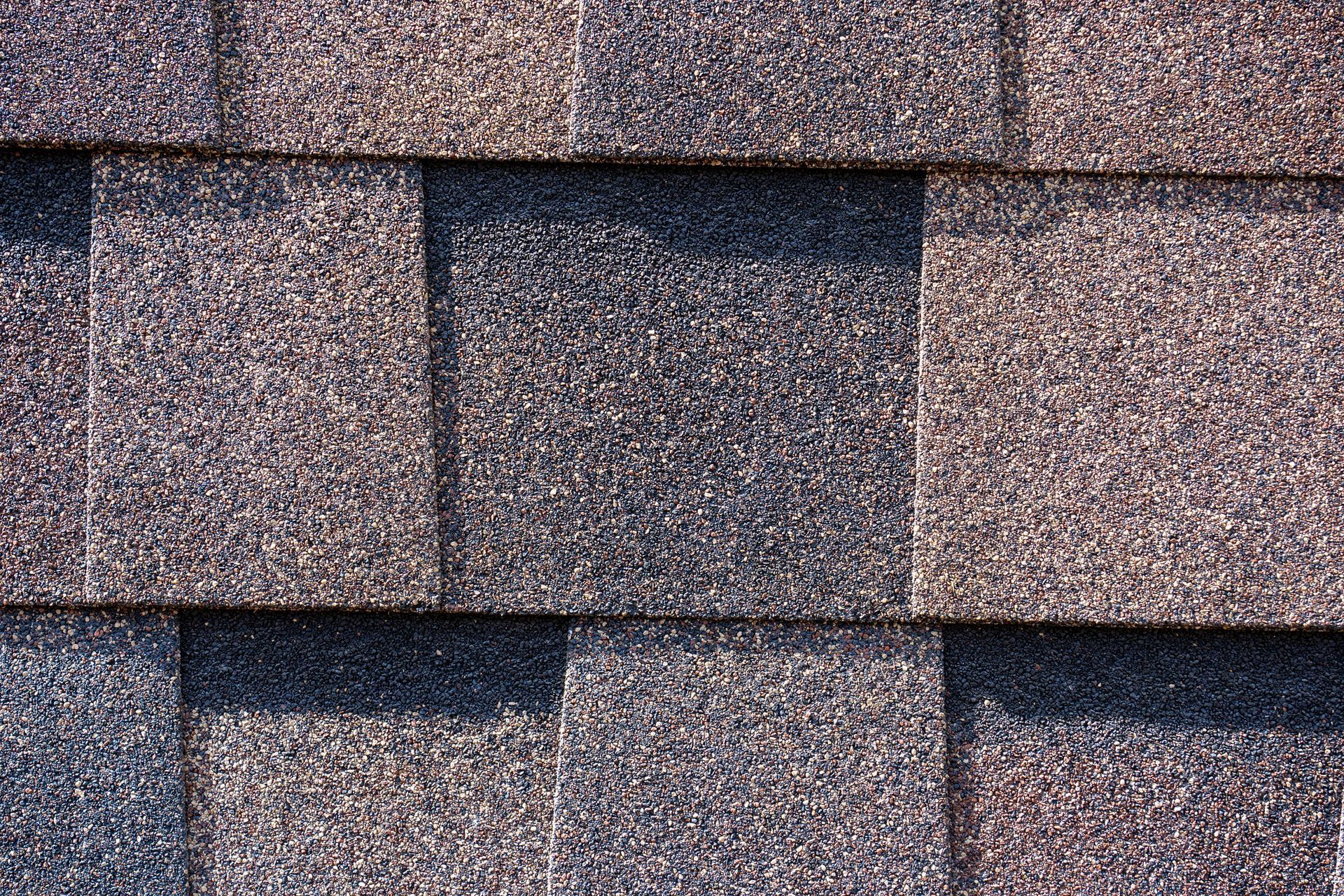
Hot southern summers can be especially hard on asphalt shingles. Over time, prolonged exposure to heat and ultraviolet rays can cause shingles to dry out, curl, crack, or lose protective granules.
When shingles weaken, your roof becomes more vulnerable to leaks and wind damage. Heat can also affect sealants, underlayment, ventilation, and attic temperatures, potentially reducing the roof's overall lifespan. Common signs of heat damage:
- Curling or brittle shingles
- Granules are collecting in gutters
- Discoloration or fading
- Warped roofing materials
Heavy Rain Increases the Risk of Roof Leaks
Rain is one of the most common roofing threats in the South. Even a small roofing issue can become a major leak during repeated storms. Water can enter through:
- Damaged shingles
- Loose flashing around chimney, vents, and skylights
- Failed pipe boots
- Clogged gutter and downspouts
- Valley and ridge issues
In a climate like Chattanooga's, where storms can move in quickly, a roof that looks fine from the ground may still have hidden vulnerabilities.
Why Leaks Matter
Even slow leaks can lead to:
- Ceiling stains
- Biological growth indoors
- Insulation damage
- Rotting roof decking
- Higher repair costs over time
Wind Damage Is a Major Concern During Southern Storms
Strong winds can lift shingles, loosen flashing, and expose the layers underneath your roof. This is especially true during spring and summer thunderstorms and tropical systems that can affect Tennessee and neighboring states.
Wind damage does not always cause an obvious leak right away. Sometimes the first sign is a few missing shingles or minor lifting along the edges of the roof. Once a seal is broken, more damage can follow quickly.
Wind Damage Warning Signs
- Missing or displaced shingles
- Bent or detached flashing
- Roof debris in the yard
- Water intrusion after storms
- Shingle edges lifting noticeably
Hail Can Create Roof Damage
Hailstorms can be deceptively destructive. A roof may appear intact after a storm, but hail can bruise shingles, knock off granules, and weaken protective layers. This kind of damage may not cause immediate leaks, but it can reduce the roof's ability to protect your home during the next major rainstorm.
If you suspect hail damage, it is a good idea to have a professional inspection performed as soon as possible.
Humidity and Moisture Encourage Organic Growth
Southern humidity creates the perfect environment for biological growth on roofs. Dark streaks, organic buildup, and moss are common in humid climates and can make a roof look older than it is.
While organic buildups may seem cosmetic at first, moisture-related growth can hold water against roofing materials and accelerate deterioration over time. Moisture-related roofing problems can include:
- Staining and discoloration
- Faster shingle aging
- Reduced curb appeal
- Trapped moisture in roofing layers
- Indoor air quality issues in the attic if ventilation is poor
Winter Weather Still Matters In the South
Although Southern winters are usually milder, freezing temperatures, sleet, and ice can still impact roofs. Sudden cold snaps can cause materials to contract, reveal existing weaknesses, and create problems with drainage and flashing.
In some cases, winter weather can also lead to ice dams or freeze-thaw damage when snow and ice melt and refreeze. Older roofs or roofs with poor ventilation are especially vulnerable.
The Importance of Proper Roof Ventilation
Roof ventilation is often overlooked, but it plays a major role in roof health in the South. Good airflow helps regulate attic temperatures, reduce moisture buildup, and extend the life of roofing materials.
Without proper ventilation, heat and humidity can build up in the attic, leading to:
- Shorter shingle lifespan
- Higher energy bills
- Moisture damage
- Biological growth
- Warped decking
How Often Should Southern Roofs Be Inspected?
Because of the weather patterns common in the South, roofs should be inspected regularly, especially after major storms. A good rule of thumb is:
- Schedule a roof inspection at least once a year
- Inspect after hail, high winds, or severe rain
- Check for damage before and after winter weather
- Address small issues before they become expensive repairs
When to Call a Roofing Professional
If you notice missing shingles, leaks, stains, storm damage, or signs of wear, it is time to call a roofing professional. The sooner a roof problem is identified, the easier it is to protect your home and
avoid larger repairs.
For homeowners in Chattanooga, Roof Nurse can help assess damage, identify problem areas, and recommend the right solution for your roof.
Protect Your Roof from Southern Weather
Southern weather can be unpredictable, but your roof does not have to be. With routine inspections, timely repairs, and proper maintenance, you can extend the life of your roof and protect your home year-round.
If your roof has been exposed to heavy rain, strong winds, hail, or extreme heat, do not wait until you see a leak. A professional evaluation can help catch problems early.
Need a roof inspection in Chattanooga, TN?
Contact Roof Nurse to learn more about protecting your home from Southern weather.