Beautiful but Dangerous: When Ice on Tree Limbs Turns Destructive
Beautiful but Dangerous: When Ice on Tree Limbs Turns Destructive
Ice-covered trees can be breathtaking. Branches sparkle like glass, and entire neighborhoods look frozen in time. It’s the kind of winter scene people stop to photograph.
But behind that beauty is a serious and often underestimated threat to homes, roofs, and property.
Why Ice Is So Hard on Trees
When ice accumulates on tree limbs, the added weight is far greater than most people realize. Even a thin layer of ice can add hundreds of pounds to large branches. What are normally flexible limbs suddenly become rigid, stressed, and overloaded.
Trees aren’t built to handle that kind of weight. As the ice builds, it can cause:
- Cracked or splitting branches
- Large limbs snapping without warning
- Entire trunks splitting under uneven stress
And when those limbs fail, they don’t fall gently.
How Falling Limbs Damage Homes and Roofs
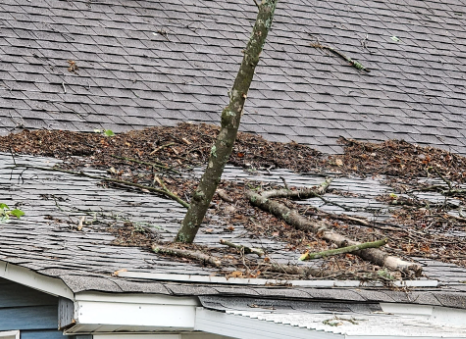
When ice-laden branches come down, they can cause significant damage in seconds. Common impacts include:
- Crushed or bent gutters
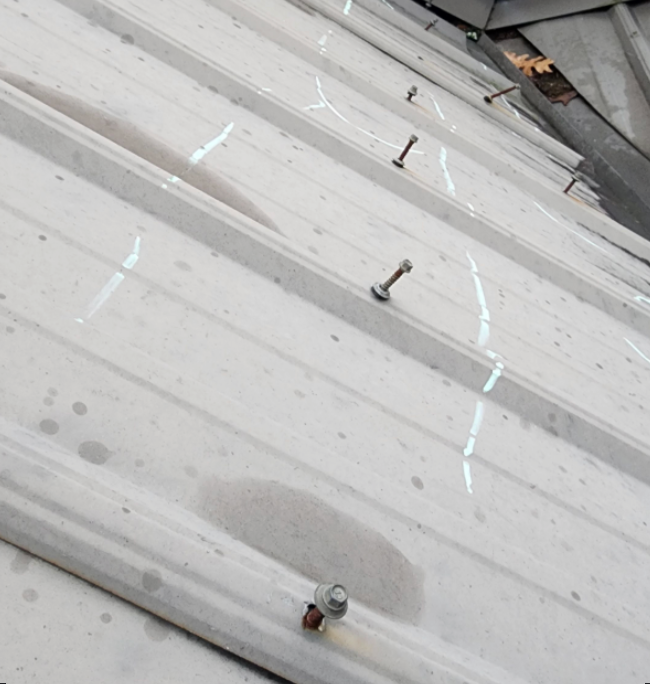
- Dented metal roofing
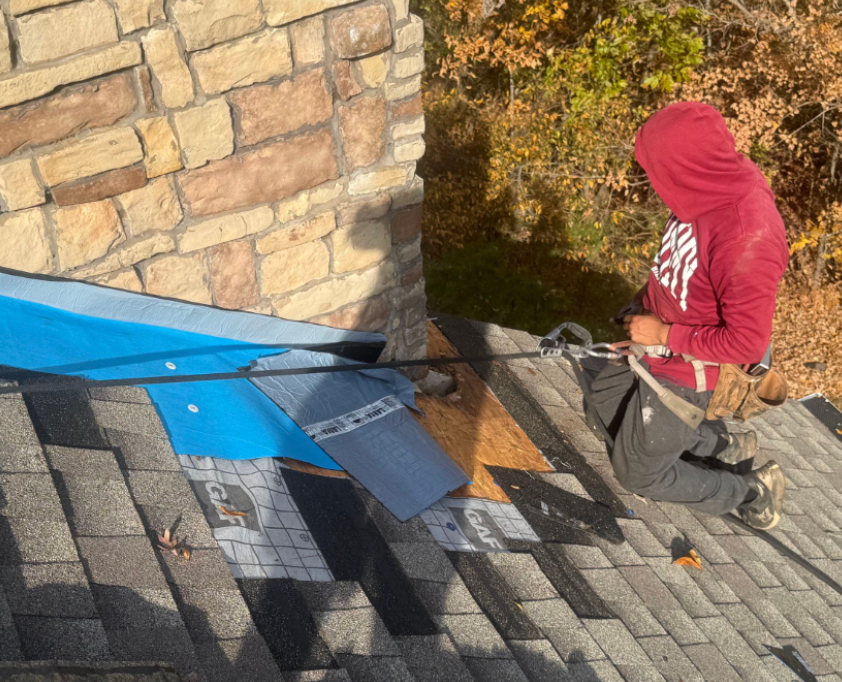
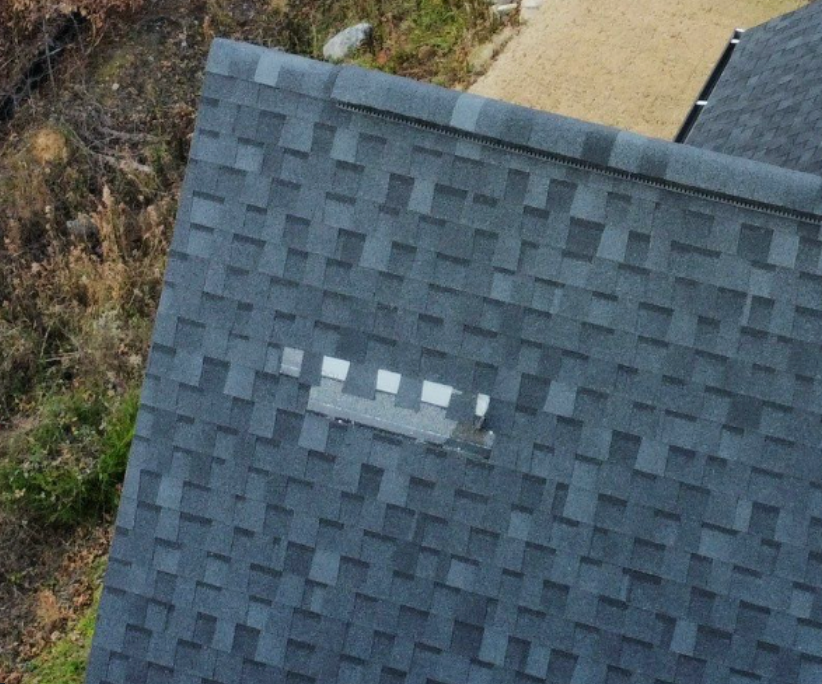
- Broken or lifted shingles
- Damaged siding, vehicles, and outdoor structures
- Downed power lines and blocked access points
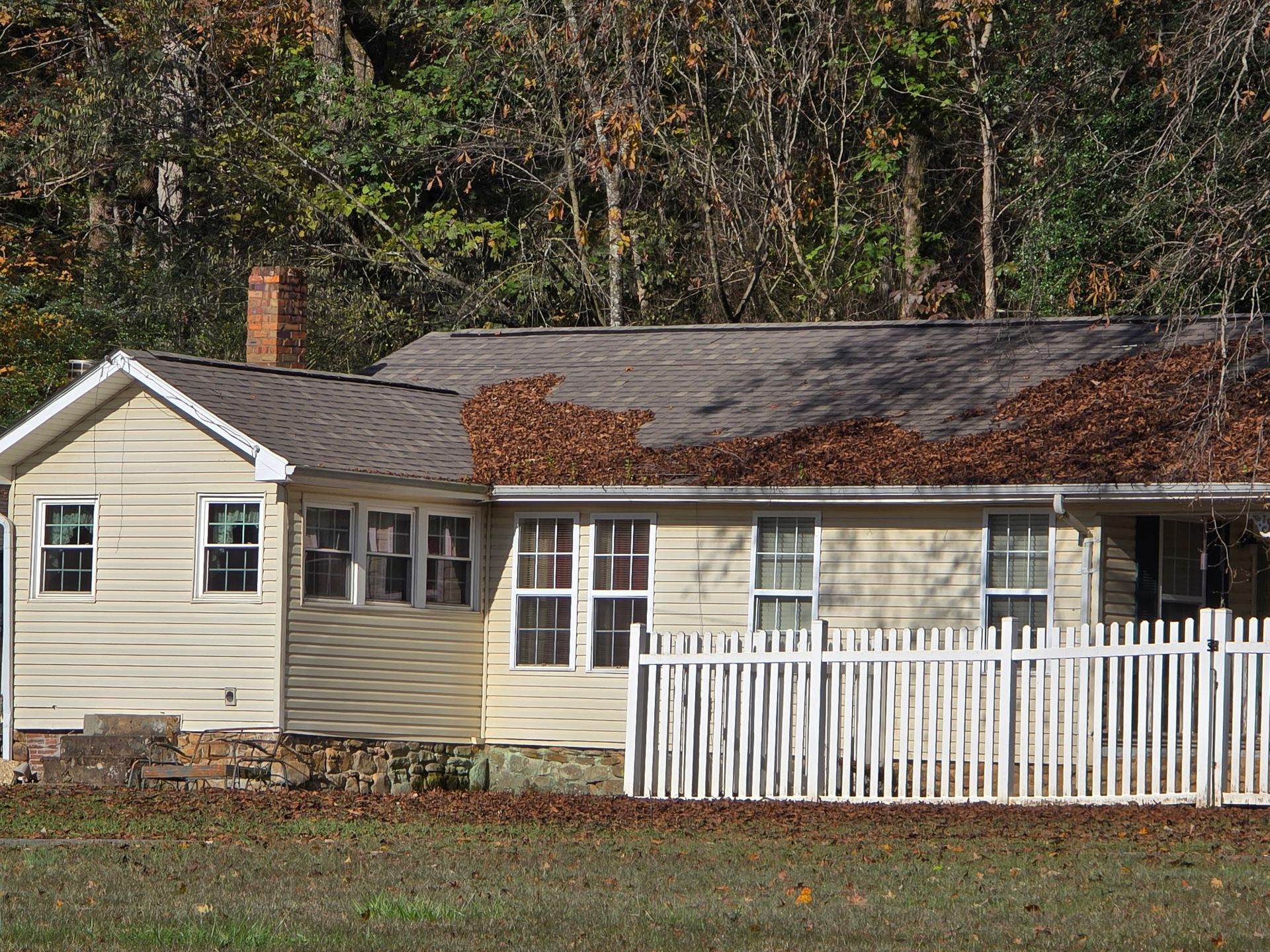
Roof damage from falling limbs isn’t always obvious right away. A branch may glance off the roof, loosening shingles or creating small cracks that later allow water intrusion.
The Hidden Danger After the Ice Melts
One of the most dangerous aspects of ice damage happens after temperatures rise.
Partially broken or cracked limbs—often called “widow makers”—can remain hanging overhead for days or even weeks. Once the ice melts, it’s easy to assume the danger has passed. In reality, those weakened limbs may fall during the next light breeze, rainstorm, or temperature change.
Because the damage isn’t always visible from the ground, many homeowners don’t realize the risk until something gives way.
Why Post-Storm Inspections Matter
Ice storms are a reminder that winter damage isn’t always loud, immediate, or obvious. Taking time to inspect your property after an ice event can help prevent a beautiful winter scene from turning into an expensive repair.
Pay close attention to:
- Trees overhanging your roof
- Branches above driveways and walkways
- Gutters and roof edges beneath large limbs
- Any new dents, bends, or loose roofing materials
Catching problems early can save thousands in future repairs—and help keep your home safe.
The Roof Nurse Takeaway
Ice-covered trees may look stunning, but they can pose a serious risk to your roof and property. Damage doesn’t always happen during the storm—it often shows up later, once weakened limbs finally give way.
If your home was near ice-laden trees or you’re unsure whether your roof or gutters were impacted, Roof Nurse is here to help. A professional inspection can identify hidden damage before it turns into leaks, structural issues, or costly repairs.
Schedule a post-storm roof inspection today and make sure winter weather hasn’t left problems behind.
Because a healthy roof protects everything beneath it.