Why Some Roofs Hold Snow — And Why That’s Actually a Good Thing
Why Some Roofs Hold Snow — And Why That’s Actually a Good Thing
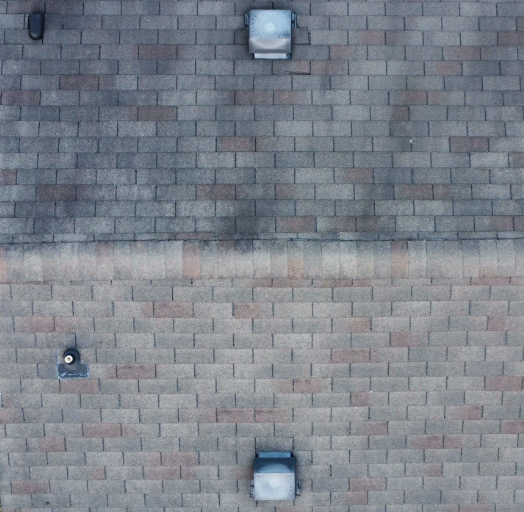
After a snowfall, it’s common to look around the neighborhood and notice a big difference from house to house. Some roofs shed snow almost immediately, while others stay covered for days. At first glance, it may seem like the snow-free roof is performing better.
In reality, the opposite is often true.
The Real Difference: Insulation and Ventilation
Whether snow stays on your roof or melts quickly usually has very little to do with the roofing material itself. Instead, it comes down to how well your home is insulated and ventilated.
Roofs that hold snow longer typically belong to homes with:
- Proper attic insulation
- Balanced ventilation
- Minimal heat loss through the roof system
When insulation is doing its job, heat stays inside the living space instead of escaping into the attic. Ventilation then allows small amounts of warm air and moisture to move out in a controlled way. Because the roof surface stays cold, the snow above it remains frozen—and that’s a sign of a well insulated home and a healthy roof ventilation system.
When Fast-Melting Snow Is a Warning Sign
If snow melts off your roof quickly while nearby homes stay white, it can indicate a problem. Rapid melting often means warm air is escaping into the attic due to:
- Insufficient insulation
- Blocked or poorly designed ventilation
- Air leaks around attic penetrations
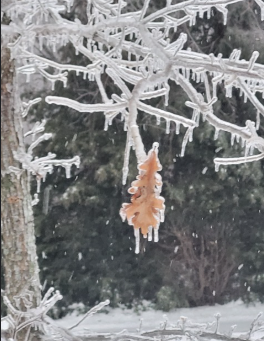
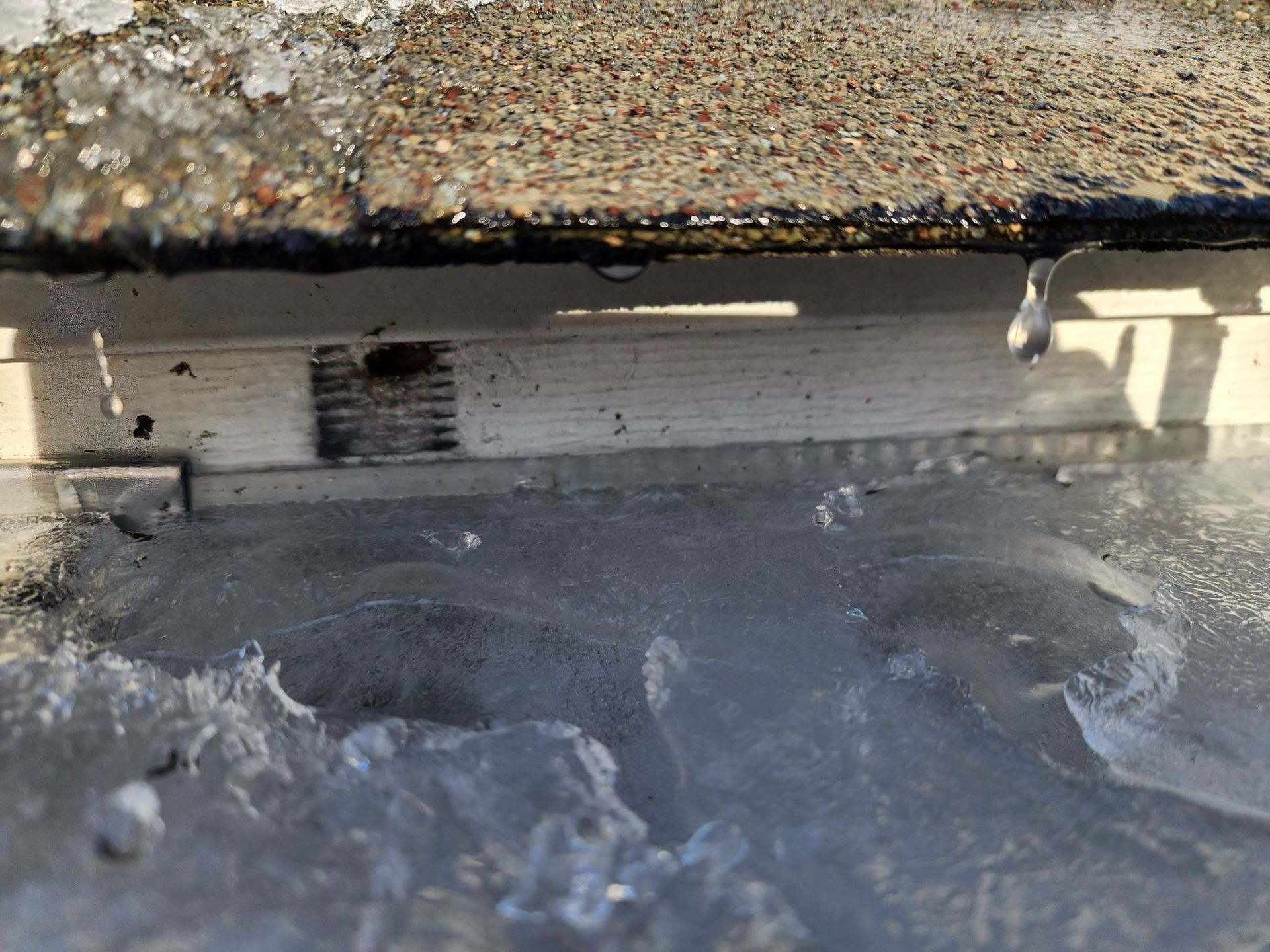
This kind of heat loss doesn’t just affect snow—it can lead to higher energy bills, moisture buildup, and condensation issues inside the attic. During colder weather, it can also contribute to ice dams, where melting snow refreezes near the roof edge and traps water behind it.
What About the Weight of Snow?
Many homeowners worry about snow sitting on their roof for several days, especially when it looks heavy or wet. The good news is that roofs are designed to handle much more weight than most people realize.
To put it into perspective:
- It takes
five to eight inches of heavy, wet snow to equal the weight of just
one inch of rain
- A few inches of snow usually adds very little stress to a properly built roof
In most cases, snow accumulation alone is not the problem—water movement caused by uneven melting is.
Why This Matters for Southern Homes Too
Even in southern climates where snow is less common, these principles still apply. Heat loss, poor ventilation, and insulation gaps can create issues year-round—from winter moisture problems to summer heat buildup in the attic.
Snow just happens to make these problems easier to spot.
The Roof Nurse Takeaway
Snow sitting on your roof isn’t a red flag. Snow melting too quickly often is.
If you’re noticing uneven snow melt, ice forming near your gutters, or rising energy costs during cold weather, it may be time to take a closer look at what’s happening above your ceiling.
Not sure if your roof is properly insulated or ventilated?
Roof Nurse offers professional inspections to identify hidden issues before they turn into costly repairs.
Schedule an inspection today and make sure your roof is protecting your home the way it should—winter, summer, and everything in between.
A healthy roof means a healthier home.