Ice Dams in the South? Yes, They’re a Real Problem
Ice Dams in the South? Yes, They’re a Real Problem
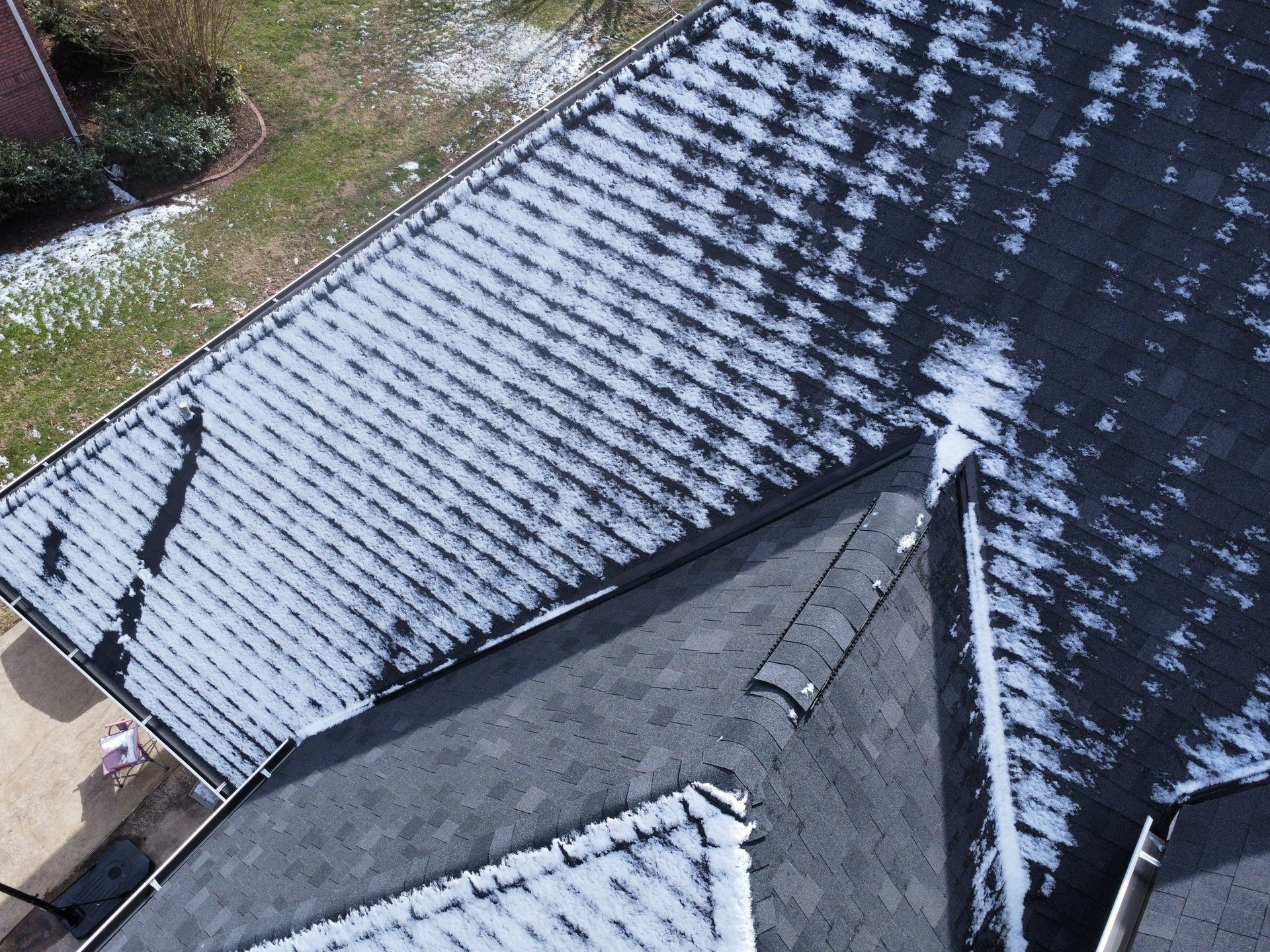
When most people hear the term ice dam, they picture feet of snow sitting on a roof, melting during the day and refreezing at night. As the snow melts, water flows toward the gutter—only to freeze again, filling the gutter with ice. With nowhere else to go, that water backs up under the roof system, soaking soffits and sometimes even making its way inside the home.
That’s the classic ice dam most homeowners are familiar with.
But here in the South, ice dams often look very different.
How Ice Dams Form in Southern Homes
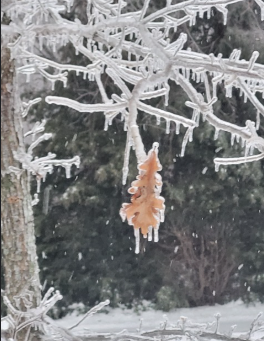
In southern climates, ice dams don’t always start with snow and ice piled on the roof. In many cases, they begin with something much more common: heavy rain followed by a sudden drop in temperature.
Problems tend to show up in homes where gutter systems drain into underground pipes. When those pipes are installed correctly, water flows away from the home just fine—even during colder weather. But when they aren’t buried deep enough, freezing temperatures can create serious issues.
A Real-World Example: When Drain Pipes Freeze
Not long ago, we came across a gutter drainage system where the underground pipes were buried only about six inches deep. Between the rain-and-snow mix we experienced and the way the system had been installed, the pipes had actually floated upward out of the ground.
Ground movement caused by freezing and thawing can push shallow pipes closer to the surface. In this case, the pipe was only two to three inches below the soil. The water inside froze solid, completely blocking the line.
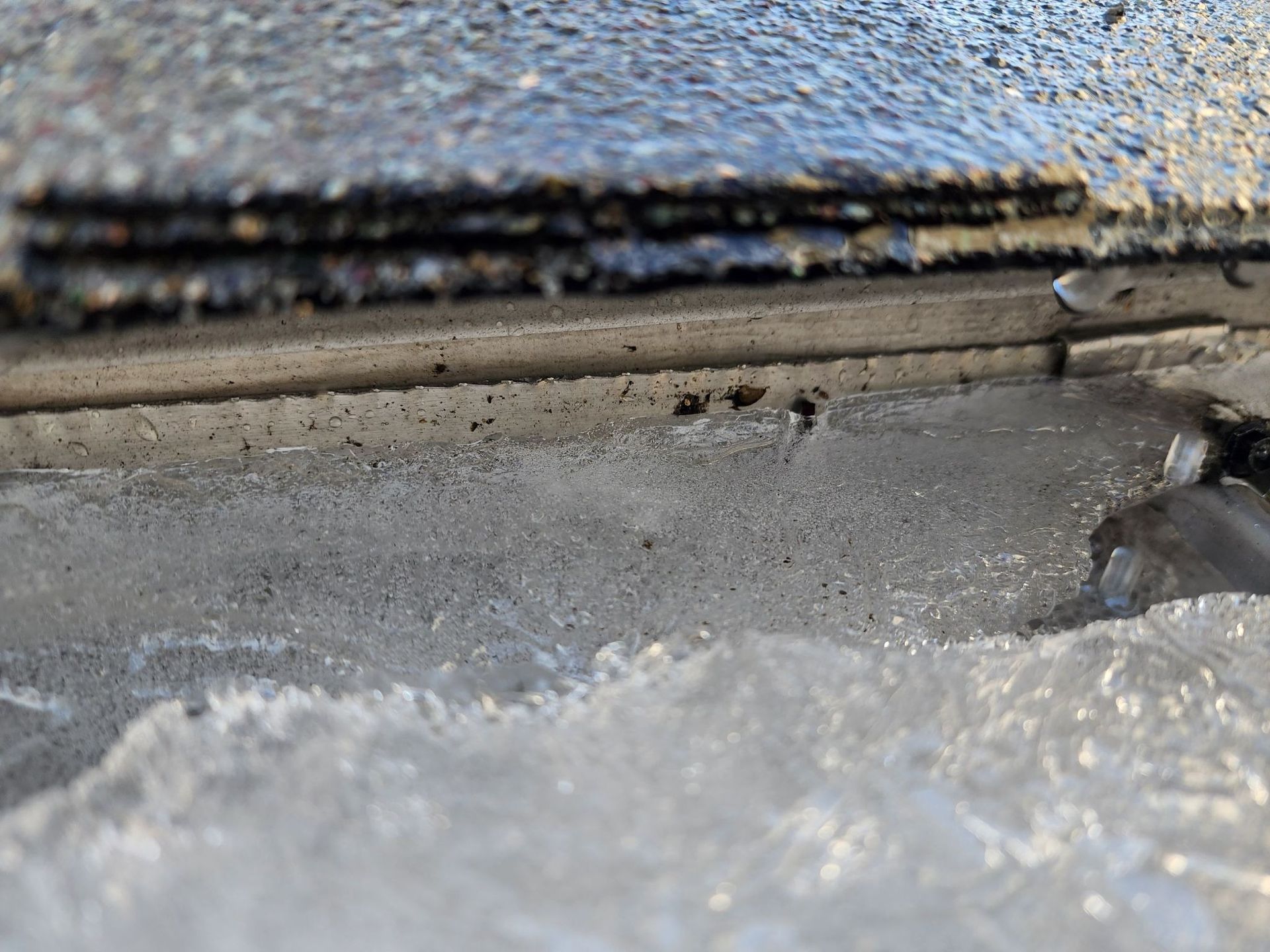
With nowhere else to go, the water backed up through the downspout and into the gutter. The result? Nearly 75 feet of gutter frozen solid, with ice roughly six inches deep.
Strong Gutters — But a Serious Warning Sign
Ironically, we had installed the gutters on this home the previous fall. When the homeowner asked how they were holding up, the answer was simple: they were incredibly strong. Despite being completely full of ice, the gutters had not fallen.
While we don’t often experience “typical” ice dams this far south, this situation proves that ice damming absolutely can—and does—happen in southern homes.
How to Help Prevent Ice Dams in the South
There are several proactive steps homeowners can take to reduce the risk of ice dam-related damage:
- Bury drain pipes at least one foot deep
This helps protect them from freezing temperatures and ground movement. - Keep gutters and downspouts clear
Any blockage can trap water, which quickly turns into ice when temperatures drop. - Address small roof issues early
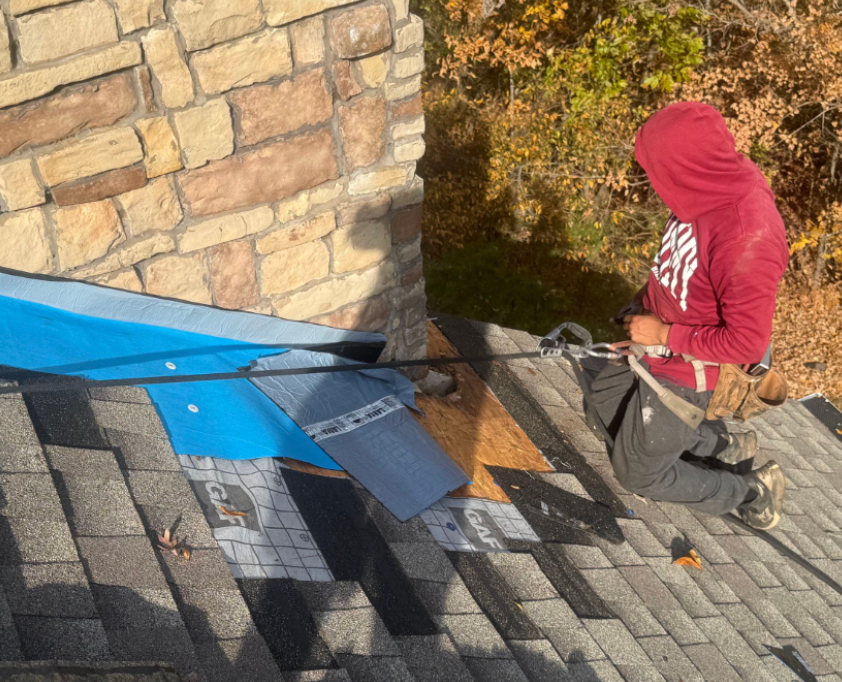
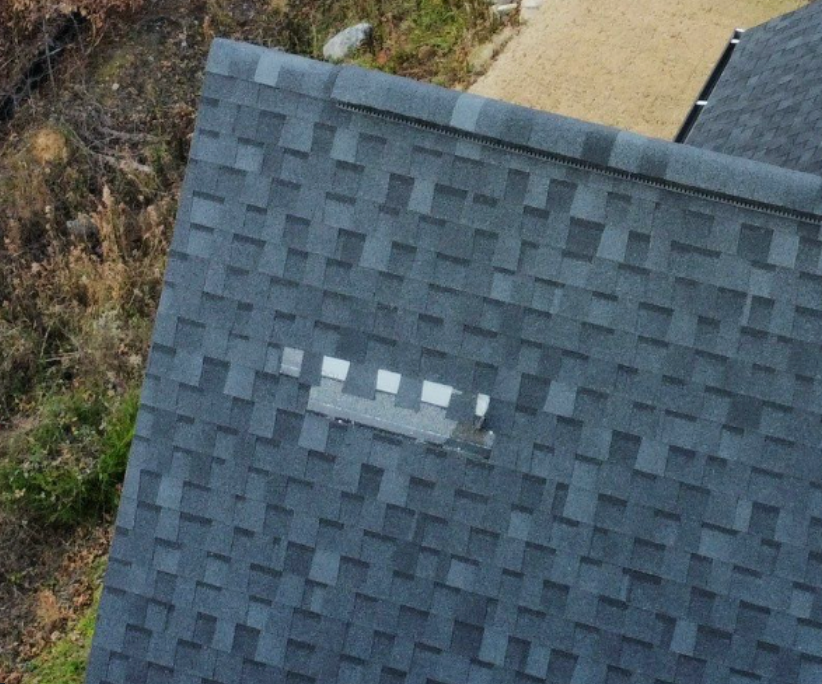
Ice starts as water. When water enters a tiny opening and freezes, it expands. Over repeated freeze-thaw cycles, small gaps can turn into serious roof decking damage. - Watch for leaves in roof valleys
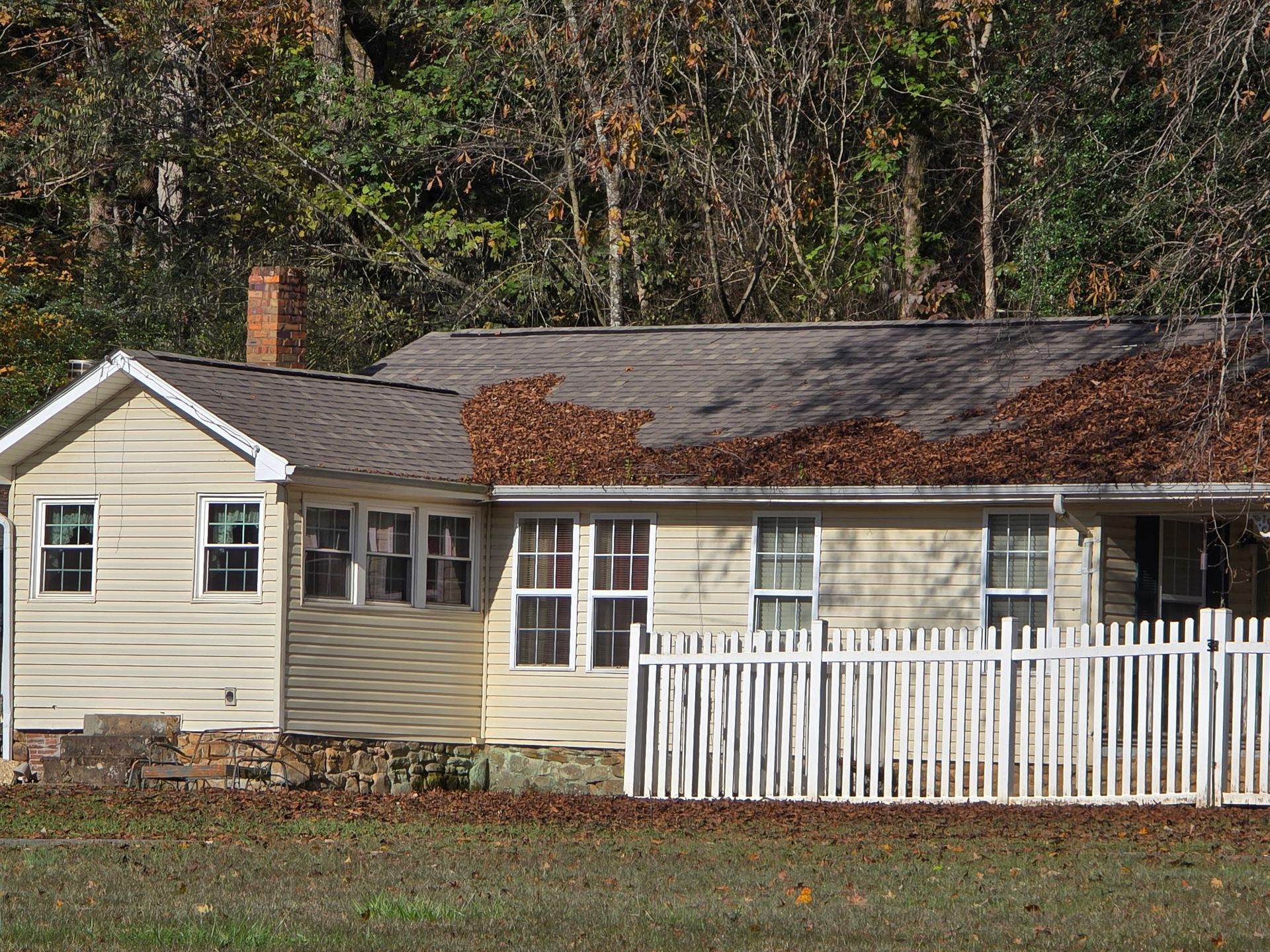
A small pile of leaves may look harmless, but underneath they often hold a surprising amount of moisture. That trapped water can seep into the roof system and worsen once freezing and thawing begin.
Why Southern Ice Dams Are Often Overlooked
Because ice dams are commonly associated with northern winters, many southern homeowners don’t realize they’re at risk. Unfortunately, that misunderstanding can lead to hidden water damage that isn’t discovered until it becomes a much bigger—and more expensive—problem.
Concerned about ice, water backup, or winter-related roof issues?
The Roof Nurse team is here to help diagnose problems before they turn into costly repairs. If you’ve noticed gutter backups, frozen downspouts, or signs of moisture around your roofline, schedule a professional roof inspection today.